For organisations
A workforce for AI data work, managed end to end
Tell us the work, the languages and the quality bar. Jwuma recruits the people, trains them on your guidelines, reviews what they produce and hands you the result with the review record attached.
Part of Corpshore AI.
What you get
Recruitment where you need it
Contributors are recruited by region and language rather than drawn from one undifferentiated pool. Coverage for a specific language is confirmed before a project starts rather than promised in advance.
Training you can inspect
Every contributor takes a course for the work, with a test at the end. Courses can carry your own guidelines, completion is recorded per person and the course can be exported to your own LMS.
Review before delivery
Work is reviewed, and disputed reviews are adjudicated above that. You see how a delivery was checked, not just that it was.
Data kept where it belongs
Contributor personal data is held separately by region rather than pooled into one database. Project access is limited to the people working on it.
Paid locally, without holding their bank details
Contributors are paid into their own bank account or mobile wallet in around fifty countries and more than fifty currencies. They do not need an account with a payment company. The account and wallet numbers are held by the regulated payment provider rather than by us, which means the most sensitive field in a payout is not sitting in a database waiting to be leaked, and it can be moved if the provider ever changes.
A workforce that improves
Accuracy is measured per contributor and promotion follows it, so the people reviewing your work are the ones who have been most accurate on it.
Evidence, not assurances
Delivery records show what was reviewed and by whom. When a client and a supplier disagree about quality, that record is the thing that settles it.
How quality is actually enforced
Every vendor says work is reviewed. This is the mechanism, including the return path, which is the half that tells you whether the review is real.
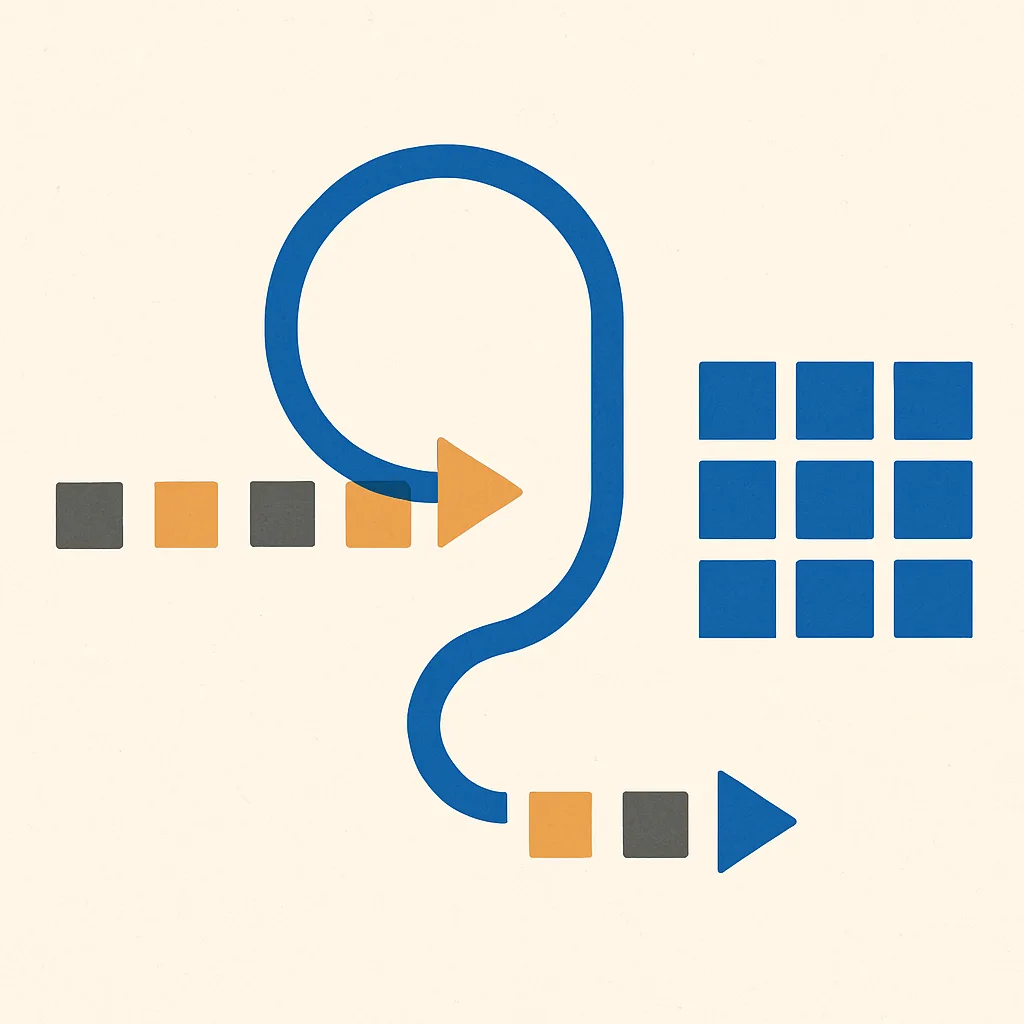
How a project runs
Scope
Volume, languages, regions, turnaround and what counts as acceptable work. The last one takes the longest and matters the most.
Staff and train
Contributors are recruited against that scope and trained on your guidelines, with a test before they touch live work. You can read anonymous work samples from the people we put forward and say who you want, before anything starts.
Produce and review
Work runs with review built in rather than sampled at the end, so problems surface while they are still cheap to fix.
Deliver
You review the delivery in your own portal and accept it or send it back with a reason. There is a stated review window rather than an open one.
Working with your systems
Your guidelines, our courses
Training material can carry your own house style and examples. Contributors are tested on it, and you can see who passed which version.
Take the training with you
Courses export as SCORM packages for your own learning system, one unit per module so your records show progress rather than a single completion.
Learning records
Course activity can be sent to your Learning Record Store over xAPI when you have one, so training here appears alongside everything else.
Questions organisations ask
What does Jwuma do for organisations?
Jwuma provides a trained, managed workforce for AI data projects. You describe the work, the languages and the quality bar and Jwuma recruits, trains and reviews the contributors who do it. You see the finished work and the evidence behind it.
Which languages and regions does Jwuma cover?
Jwuma recruits across Africa, Asia, Europe and the Americas, with contributor hubs in several countries. Coverage for a specific language or region is confirmed before a project starts rather than promised in advance.
How is quality checked?
Every piece of work goes through review before it reaches you. Reviewers are contributors who have been promoted on measured accuracy, and a separate quality assurance step sits above them. You can see how each delivery was reviewed.
How does data protection work?
Contributor personal data is stored in the region it comes from rather than pooled in one place. Project data is handled under the terms agreed for that project, and access is limited to the people working on it.
Starting a conversation
For scoping, send us the details or write to info@corpshore.ai. Existing clients manage projects and review deliveries in the client portal. If you are looking for work rather than looking to have work done, the contributor platform is the other door.